
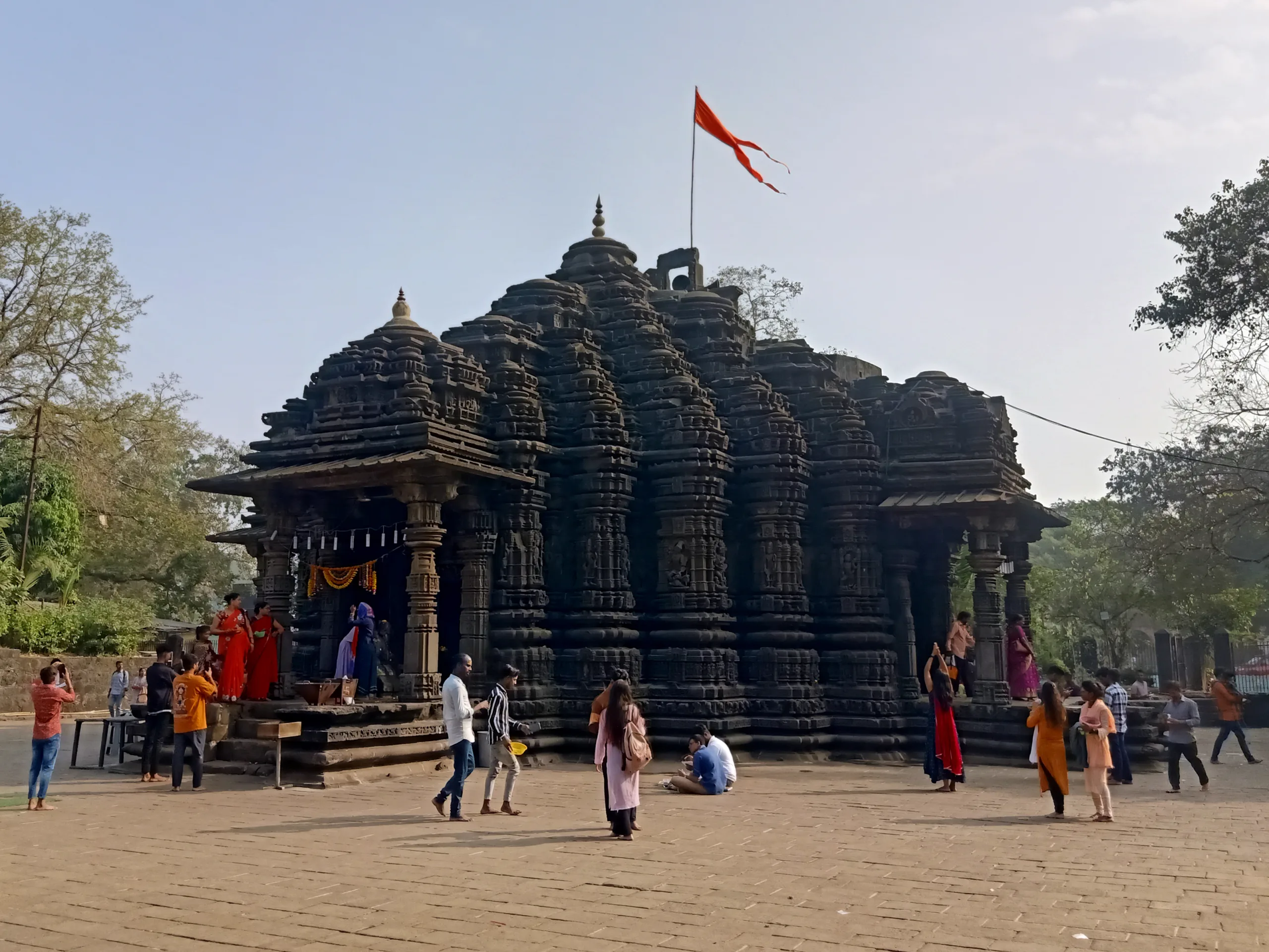
A formal complaint has been lodged against the ongoing illegal concretisation near the ancient Ambernath Shiv temple, raising serious concerns about the alleged negligence of the Archaeological Survey of India (ASI).
Advocate Sarita Khanchandani, a long-standing campaigner for the conservation of the historic site, has once again called attention to unlawful construction activities occurring within the restricted zone surrounding the temple.
In her latest letter addressed to the ASI, Advocate Khanchandani stated that despite previous inspections by ASI officials, construction work in the area continues without interruption. She highlighted the erection of a boundary wall made of iron sheets by the Ambernath Municipal Council and ongoing concretisation activities within the adjacent riverbed.
“This is a glaring failure of the ASI,” the letter reads, “which has been unable to enforce its own regulations under the Ancient Monuments and Archaeological Sites and Remains (AMASR) Act, even in the face of compelling evidence.”
The AMASR Act strictly prohibits any construction or excavation activity within 300 metres of a protected heritage site. However, according to the complaint, excavation machinery and construction equipment have been operating alarmingly close, as little as five metres, to the Ambernath Shiv Mandir, which is already showing signs of structural deterioration. The ongoing activity, she warns, is posing a direct threat to the integrity and future of the monument.
Advocate Khanchandani further expressed her disappointment at the continued inaction of the ASI, despite multiple complaints and documented breaches. “It is shocking to witness the ASI’s apparent inability or unwillingness to act against the Ambernath Municipal Council. The silence of the concerned authorities, in light of the repeated violations, is deeply disturbing,” she remarked.
She went on to allege possible complicity between the ASI and municipal authorities, claiming that their inaction could result in the irreversible damage or even the collapse of the ancient structure. The advocate has also escalated the matter to the State Human Rights Commission (SHRC), seeking accountability for the ongoing violations.
Historical significance of the Ambernath temple
The Ambernath Shiv temple, also known locally as the Ambreshwar Mandir, stands as a testament to the artistic and spiritual legacy of medieval Maharashtra. It is believed to have been constructed in 1060 CE under the patronage of King Chhittaraja of the Shilahara dynasty. The temple is dedicated to Lord Shiva and is a prime example of early medieval Hindu temple architecture.
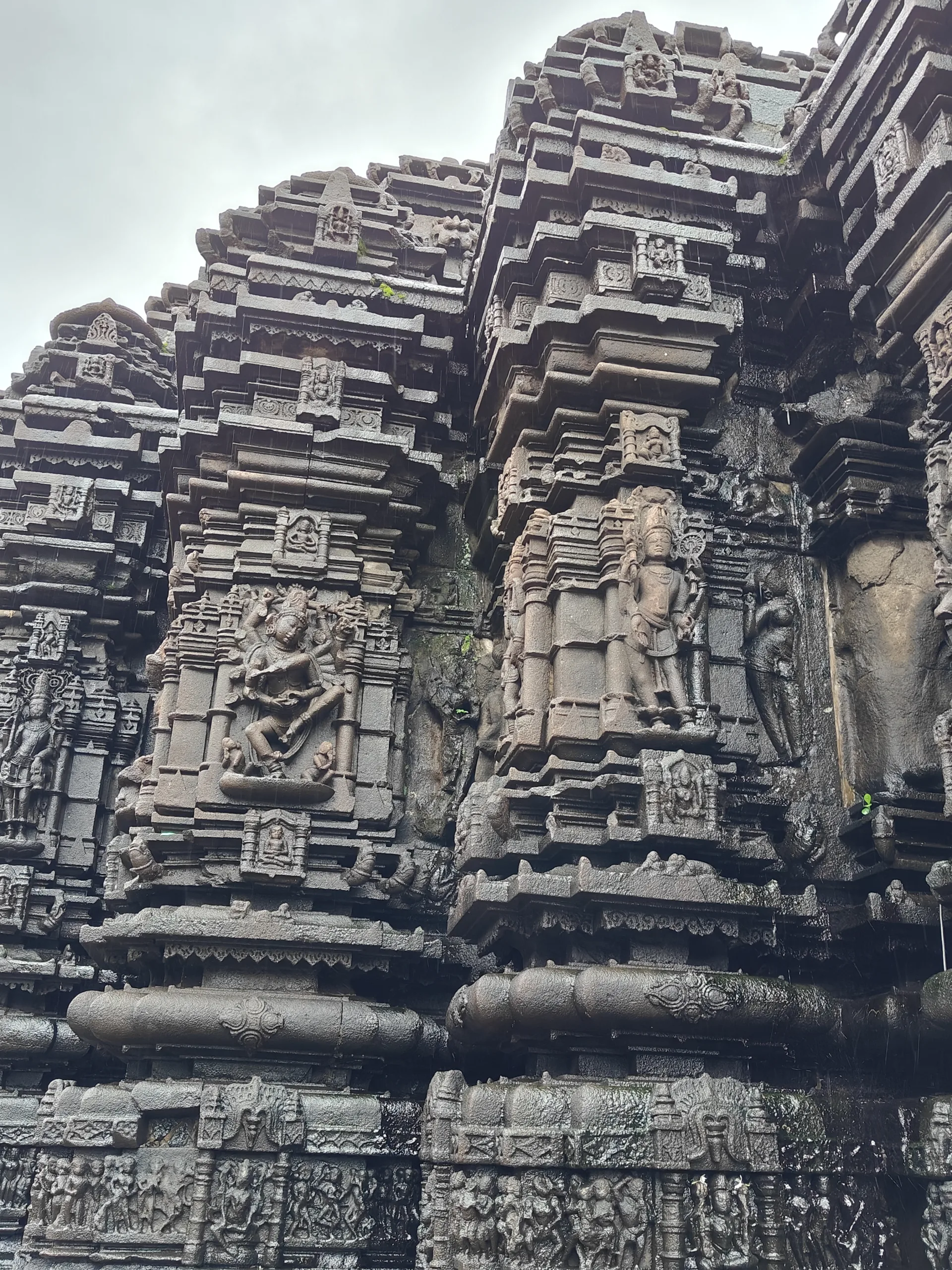
The temple is renowned for its Hemadpanti architectural style, which is characterisedby its use of locally available black stone, intricate carvings, and construction without lime or mortar. The mandir features a beautifully carved sanctum (garbhagriha) surrounded by pillared mandapas and elaborate stone sculptures depicting various deities, mythological scenes, and motifs drawn from Shaivite traditions.
One of the temple’s most striking aspects is its partially subterranean sanctum, which requires devotees to descend a flight of steps to reach the main shrine. Over the centuries, the temple has drawn pilgrims, historians, and art enthusiasts, serving not only as a place of worship but also as a monument of cultural pride. Despite its protected status under the ASI, the structure has suffered neglect and environmental degradation over time. The surrounding area, once marked by natural serenity, has been increasingly encroached upon by urban development.
The Ambernath Shiv Mandir is not merely a religious site but a vital link to India’s rich cultural and architectural heritage. The reports of unauthorised construction encroaching upon this protected area serve as a stark reminder of the growing neglect toward historical conservation in the face of urban expansion. It is imperative that responsible authorities act with urgency to preserve such monuments for future generations. Failure to protect heritage sites not only threatens their physical structure but also diminishes the historical consciousness of the nation.