
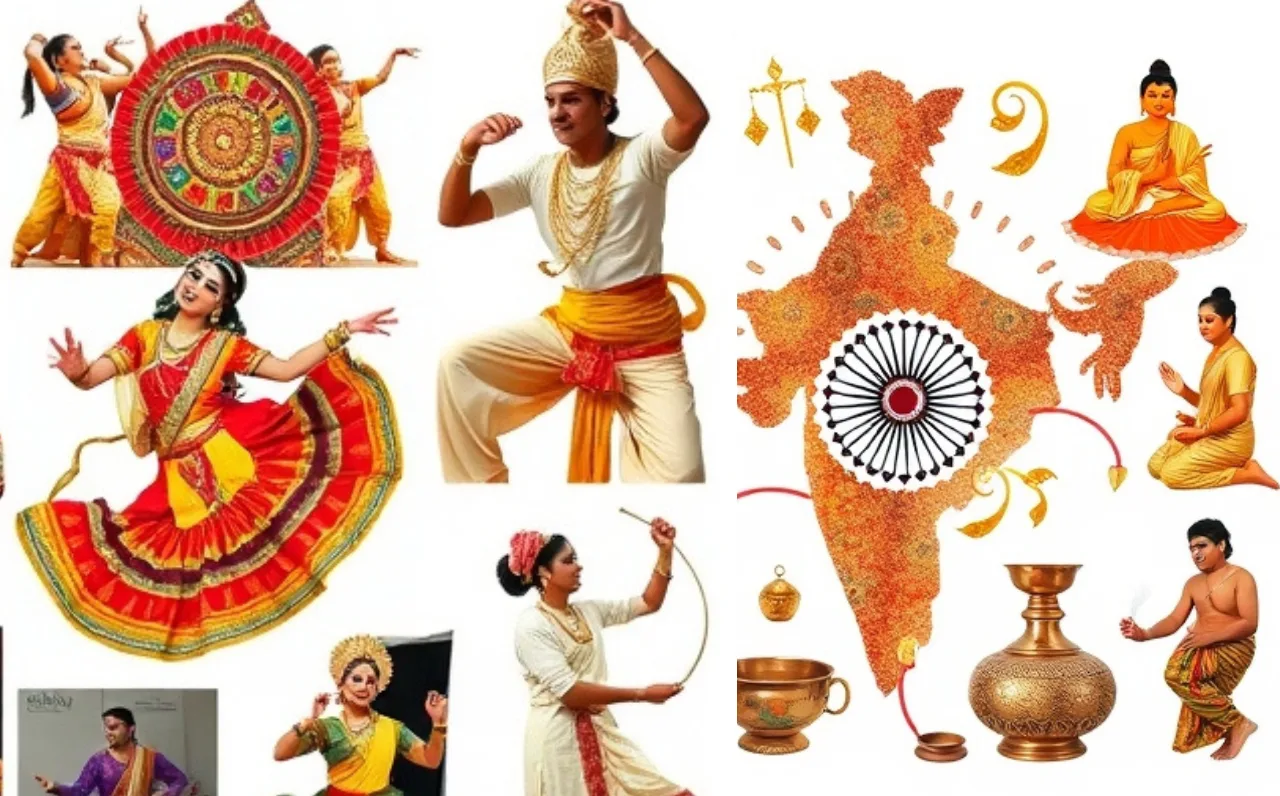
India’s rich cultural heritage is a vibrant shades woven from the threads of its diverse landscapes and the time-honored traditions that have been nurtured and cherished across millennia. This heritage transcends geographical boundaries and brings together an extraordinary amalgamation of languages, religions, customs, and artistic expressions. From the intricacies of craftsmanship to the soul-stirring resonance of performance art, India’s cultural practices embody the essence of its people’s ingenuity, spirituality, and communal spirit. The following intangible cultural practices, from craftsmanship to performance art, highlight India’s unique cultural shades.
1. Traditional Brass and Copper Craft of Utensil Making Among the Thatheras of Jandiala Guru, Punjab
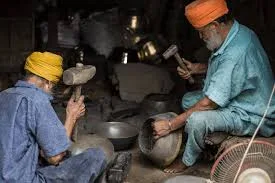
The village of Jandiala Guru in Punjab is renowned for its age-old craft of making brass and copper utensils. The Thatheras, master metalworkers, have been practising this skill for centuries, producing exquisite pots, pans, and ceremonial items. Using traditional methods passed down through generations, they craft utensils by hand, without the use of modern machines. The craft represents not only high-quality workmanship but also the integration of cultural practices, as these utensils are integral to daily life and rituals in Punjabi culture.
2. Buddhist Chanting of Ladakh
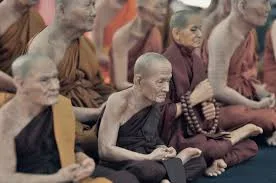
In the rugged mountains of Ladakh, Buddhist chanting plays a vital role in the spiritual life of the region. Monks and laypeople engage in chanting for meditation, prayer, and during important religious ceremonies. The unique style of chanting, often accompanied by traditional instruments like cymbals and horns, is deeply intertwined with Ladakhi Buddhist philosophy. The profound resonance of these chants is believed to connect the devotees with the divine, offering blessings of peace, compassion, and wisdom.
3. Kalbelia Dance, Rajasthan
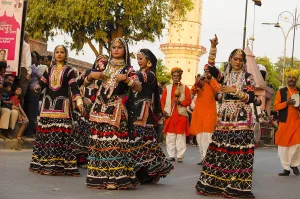
The Kalbelia dance, practiced by the Kalbelia tribe in Rajasthan, is an expression of the tribe’s connection with the desert landscape and their nomadic lifestyle. Known for its fast-paced, serpentine movements, the dance mimics the grace and agility of the cobra. Dancers wear long, flowing black skirts adorned with mirrors, and their movements are accompanied by the energetic sounds of traditional instruments, including the poongi (a wind instrument). The dance is a celebration of life and nature, and it has become a powerful symbol of Rajasthan’s cultural identity.
4. Chhau Dance
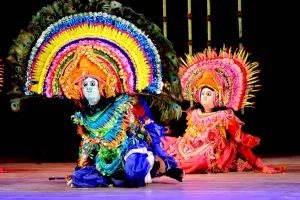
The Chhau dance, originating in the eastern states of India like Odisha, Jharkhand, and West Bengal, is a unique martial arts-based dance form. The performance blends rhythmic footwork, acrobatic leaps, and exaggerated facial expressions to depict stories from Hindu epics like the Ramayana and Mahabharata. The dancers, often masked, embody various characters gods, demons, and animals with dramatic precision. This captivating form of storytelling is a celebration of mythology and heroism, and it remains a vibrant part of regional cultural festivals.
5. Kuttiyattam Sanskrit Theatre, Kerala
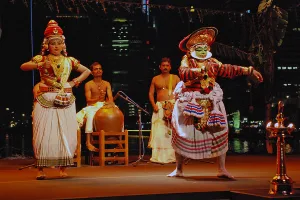
Kuttiyattam is one of the oldest forms of Sanskrit theatre, practiced in Kerala for over two millennia. Known for its intricate and elaborate performance style, Kuttiyattam involves a highly stylized form of acting that draws from ancient Sanskrit texts. Performers, often dressed in ornate costumes and makeup, enact dramatic interpretations of classical Indian epics such as the Ramayana and Mahabharata. The theatrical art form is characterized by slow, deliberate movements and gestures, with performers often chanting in Sanskrit, creating a deeply immersive experience.
6. Mudiyettu, Kerala
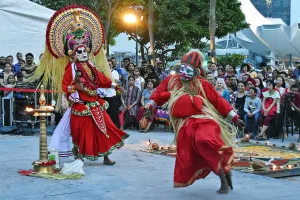
Mudiyettu is a traditional ritualistic dance drama performed in the temples of Kerala, primarily dedicated to the goddess Bhadra Kali. This vibrant performance is a reenactment of the mythological battle between the goddess and the demon Darika. The dancers, dressed in elaborate costumes and face masks, perform dramatic combat and devotional dance sequences, accompanied by traditional percussion music. The ritualistic nature of the performance underscores the spiritual significance, and it is performed during annual temple festivals to invoke divine blessings.
7. Nawruz (Persian New Year)
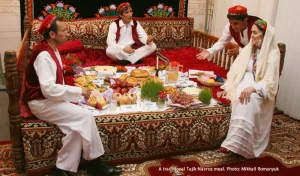
Nawruz, the Persian New Year, has been celebrated for over 3,000 years across multiple countries, including India, where it is observed predominantly by the Parsis and Iranians. The festival marks the arrival of spring and is associated with renewal, balance, and hope for the year ahead. Celebrations include preparing special foods, cleaning and decorating homes, wearing new clothes, and offering prayers for prosperity and peace. Nawruz is a celebration of community, nature, and the human spirit, embracing traditions of hospitality, joy, and gratitude.
8. Sankirtana in Manipur
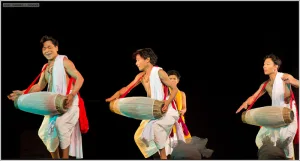
Sankirtana is a classical form of devotional music, dance, and chanting in Manipur, primarily associated with the Vaishnavite tradition. The performance is typically held during religious festivals and rituals and is a meditative way to praise Lord Vishnu, particularly his incarnations like Lord Krishna. The art form involves a unique combination of singing, drumming, and dancing. Sankirtana performances are led by two main groups the “Nata Sankirtana” (involving elaborate dance) and the “Lai Haraoba” (a ritual dance form). The chanting of sacred mantras is accompanied by the rhythmic beats of a Pung drum and the accompanying Kartal (a pair of cymbals). Unlike other dance and music forms, Sankirtana is deeply connected to devotion. The focus is less on entertainment and more on invoking spiritual presence, creating an atmosphere of purity and meditation.
9. Durga Puja in Kolkata
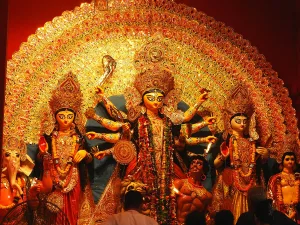
Durga Puja, one of the most significant festivals in Kolkata, marks the annual worship of Goddess Durga the divine feminine energy symbolizing strength, protection, and victory over evil. The festival typically spans five days, culminating in Vijayadashami or Dussehra, celebrating the victory of Goddess Durga over the demon Mahishasura. It is renowned for its pandals (temporary structures) that house intricately crafted idols of the goddess. These pandals often showcase artistic themes, from traditional mythology to contemporary issues, attracting thousands of visitors to view the displays. Along with prayers and rituals, Durga Puja in Kolkata is a cultural celebration that includes puja ceremonies, art exhibitions, musical performances, and street food festivals, making it a vibrant fusion of religion, art, and community.